Saturday, October 24, 2015
Shanken (228-247)
The section by Bertolt Brecht about the radio being used for communication was an interesting thought because now a days radio is not what it used to be back then (228). Pandora I fell as evolved from the radio because even in cars Pandora is available for listeners. But Brecht brings up a good point if radio could be harnessed to communicate with others it would be very popular today. How I imagine this radio communication duo would be implemented into our lives could be that one could simply tune in to a radio station and talk with multiple friends who would also be tuning in to the same channel. This could also be another way for people to discuss about various topics and while turning the dial to search for friends to talk to he or she can also eavesdrop in others conversations and perhaps even jump in the discussion.

Shanken (213-228)
The piece by Nam June Paik entitled Afterlude was interesting because art doesn't have to be limited to painting or drawings, it can also be words (214). While reading Paik's piece Afterlude it sounded to me like an elegant poem that was also artistically created. Paik's piece reminded me of the piece I created using the Spanish words for various food items because when creating it I wanted to be more than just words on a canvas. The section by Nicolas Negroponte about The Architecture Machine was interesting because again it discusses bringing computers closer to becoming more human-like (217). An interesting section in the reading by Gene Youngblood states that "Entertainment gives us what we want: art gives us what we don't know what we want" (216). I feel that entertainment gives us what we want because we don't have to think, the entertainment does the thinking for you. While art on the other hand doesn't do the thinking for you, one must analyze art and think critically to explain why it's considered art in the first place.
Wednesday, October 14, 2015
Shanken (202-213)
Another interesting point that has been a recurring thought in my recent blogs about man vs machine is again brought to the table (202). This time involving sculpture, where the book states that some think that the computer may compete with with the sculptor to the point where he is no longer needed. I feel that it would be interesting to watch a computer create it's own sculpture and examine how it creates the piece and study why it does what it does, sort of like watching an artist at work. I enjoy watching an artist at work because it gives me a chance to analyze how they create art and the type of aesthetic choices they make during the art making process.
Shanken (193-202)
Their were a lot of interesting manifestos that we're interesting to read but the Inventionist Manifesto was tough to read because I did not agree (196). As an artist I'm very sensitive to illusory images because I wonder how they created the piece which pushes me to further sharpen my design skills as an artist. Another part in the Manifesto it states that "there is nothing esoteric in art: those who claim to 'experts' are frauds". I chuckled at this because by saying this no one can interpret art but I feel that representational art can be interpreted but I have trouble interpreting abstract are because it can mean something different to someone else. I'm sure if an artist left a direct meaning of what the abstract piece was supposed to represent this can give us an answer but someone else could still interpret it differently.
Shanken (182-193)
When reading this chapter the piece entitled software was intriguing because it encompassed artist and non-artist's which to me is very unusual (185). I do however agree that they should work together more often because artist's can bring the creative side to things when designing a new piece of art that has technological elements to it. Most people, me included would think that artist's tend to work with artist's when collaborating ideas but it's good to see diversity by including non-artists as well. This important becuase when creating new technologies that are innovative and new, fresh ideas are required so incorporating artists into the mix will definitely bring in some new ideas and concepts.
Saturday, October 10, 2015
Shanken (166-182)
The piece that caught my attention in the section was the piece by Luc Courchesne entitled Portrait One (168). This piece reminded of another similar piece by Lynn Hershman Leeson entitled Agent Ruby. It would be interesting if someone could create a sophisticated AI that could communicate with you with just about anything, But then again it could end up like the movie called "Her" where the main character falls in love with the voice of an AI played by Scarlet Johansson. It would be awesome in the sense that one could communicate with the AI sort of like a digital friend who you could share opinions with and also receive feedback or advice. Courchesne's piece has limitations but it would be interesting if one could break those limitations to create a virtual friend.
Friday, October 2, 2015
Shanken (140-166)
While reading, page 144 about the artist Harold Cohen, was interesting because he created a pretty cool program about the artificially intelligent artist Aaron (144). This is something interesting to me because if artificial intelligent robots were smart enough to create art on their own it could create a competition between their human counter parts to who creates better art. It could probably even start an art war between humans and artificial intelligence which sounds like it came from a movie but technology is pretty smart on it's own so I wouldn't be surprised if this occurred.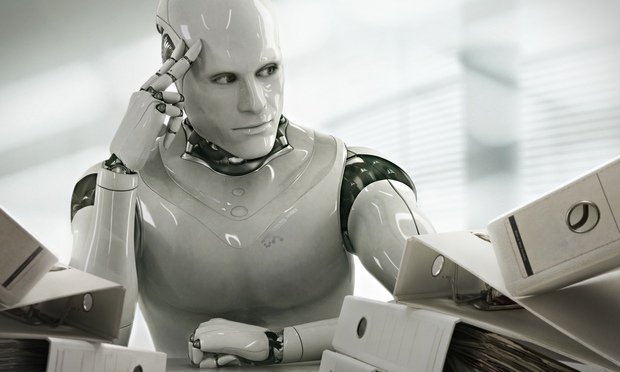
Vs

Shanken (120-140)
The piece by Steve Mann was very interesting to read about because a powerful tool like that can be very useful in our everyday lives (126). The idea for his invention sounds like it came about from a movie in which technology is able to do so much in that fantasy world. But to actually create something like that in real life is pretty amazing, one could use it to improve the line of sight or even x-ray vision. This also reminded me of google glass and how it can connect with the Internet world. Since it's a powerful device it could also be used for evil if in the wrong hands. One could change the settings of the device to do criminal activities. So basically with great power comes great responsibility.
Shanken (96-120)
It's interesting that the piece by Carolee Schneemann entitled Snows incorporated the audience into her piece which makes it more unforgettable because the audience actually participated in the act itself rather than just watching the performers do there thing (99). In the description it also stated that Schneeman's piece entitled Viet Flakes showed war atrocities juxtaposed by classical music (99). I've seen a lot of video game trailers about war with creatures from different planets or zombie games and I noticed how they also put soft classical music which makes it funny yet horrifying at the same time and I feel that they took the same approach in Schneeman's piece called Viet flakes (99). Installation art is probably by far one of my favorite art forms because they are genuisly made and they can also involve the audience which is always great becuase they are then part of a new art experience.
Subscribe to:
Posts (Atom)